Warning Signs: Does Your Teen Abuse Drugs or Alcohol?
While this isn’t an exhaustive list of all the signs to look for, below you will find the top 15 warning signs that adolescent-behavior experts advise that the following symptoms may be associated with the drug (and alcohol) abuse:
Sudden personality swings that can affect school attendance, productivity, grades, and relationships.
Angry outbursts, often it can be something seemingly small.
A lack of interest in assuming responsibilities.
A change in attitude, and a loss of interest in activities and hobbies that used to be enjoyable.
A change of friends and an unwillingness to have them visit.
Refusal to talk about friends or activities they may share.
An inability to pay attention and a lack of concentration.
Pronounced nervousness that can lead to aggression.
Being secretive.
A lack of interest in his/her appearance and hygiene.
Wearing sunglasses when there’s no need to.
Wearing long-sleeved shirts – even when it’s hot.
Hanging out with known substance abusers.
Compulsive money borrowing from friends and family.
Stealing items from school or other’s homes.
A noticeable disconnection from family, and a desire to retreat to seldom-used parts of the home such as attics and basements.
Other articles you might enjoy:
October 4th is 2021’s National Child Health Day, and it’s the perfect day to discuss healthy behaviors and drug avoidance in children. Being able to recognize the signs of drug use in your kids is important to prevent future addiction and other disorders.

Iowa’s Drug-Free Workplaces Act has been one of the country’s most comprehensive and complex drug testing statutes since its passage in 1998. Early in June of this year, the state's Supreme Court issued decisions on two court cases that established more clarifications on the requirements of Iowan employers.

Starting September 1, 2021, DOT-regulated employers will have to use the revised Federal Drug Testing Custody and Control Form.

Those who are interested in using CBD might have concerns about whether or not this will affect their compliance standing for the Department of Transportation. Read more to learn about the DOT’s regulations regarding CBD usage for regulated employees.

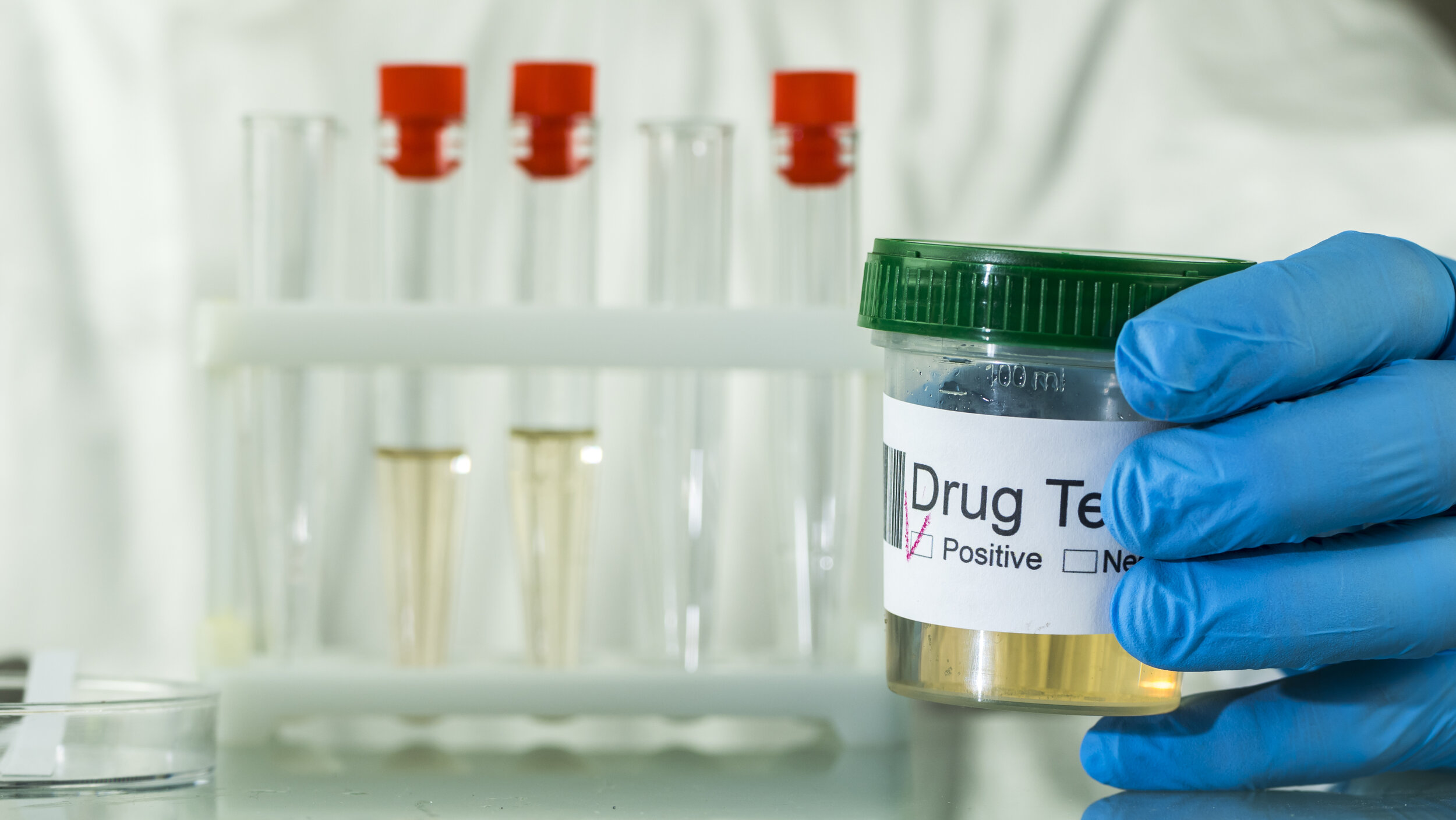
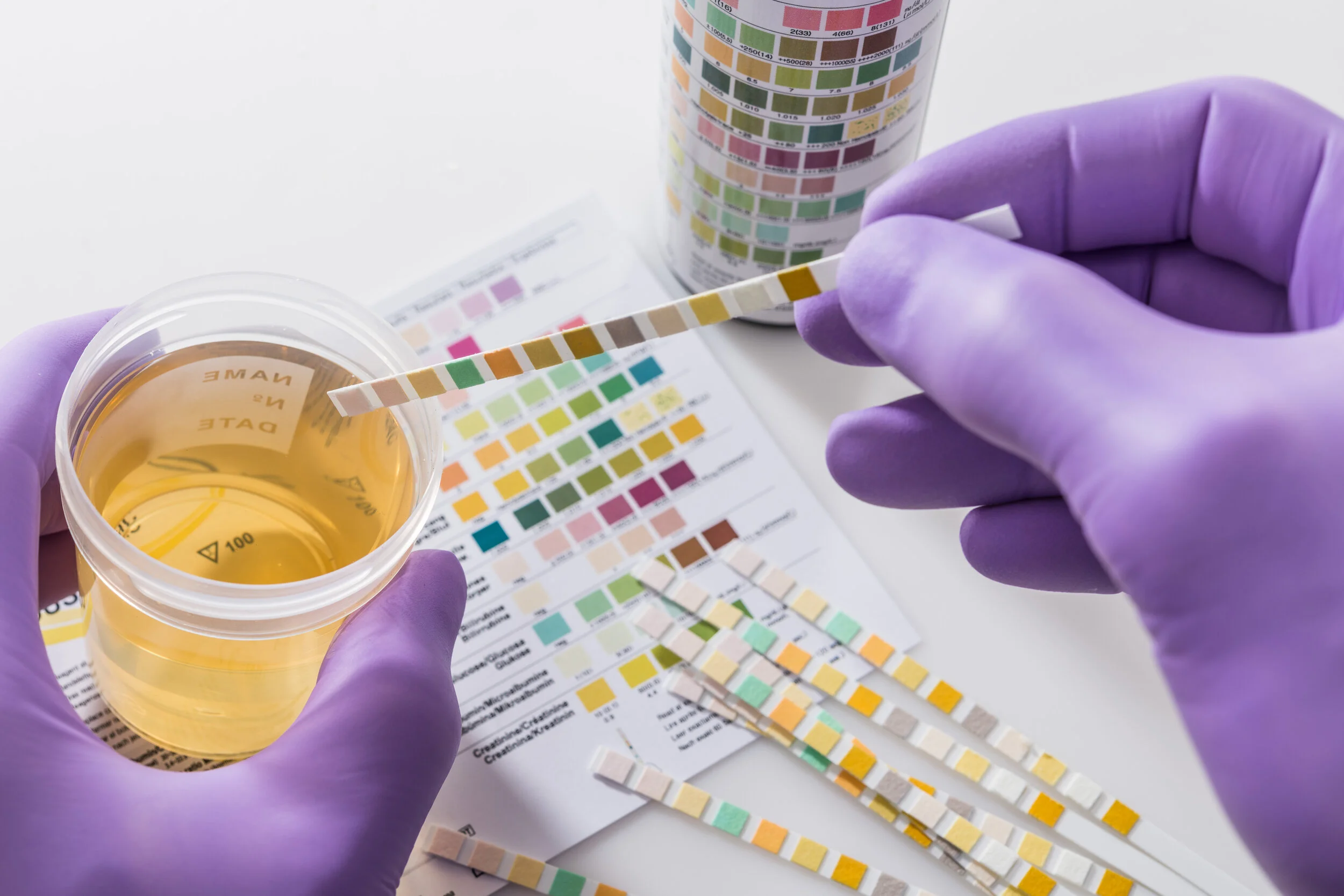
A urine drug screen (or test) is used to detect the presence of drugs in a person’s system. It is especially important for DOT-regulated employers to follow all drug screening regulations for mandated employees. But how do drug screens actually work?

The Omnibus Transportation Employee Testing Act of 1991 enforces that drivers operating vehicles that require a commercial driver’s license must be tested for alcohol and controlled substances according to federal regulations. If this seems like a lot, don’t worry. DATCO is here to help you get through every step of the DOT compliance process.

On June 1, 2021, Amazon announced that they will no longer drug test potential employees for marijuana for jobs that do not involve heavy machinery usage. Positions that need to meet DOT Drug & Alcohol Compliance will still require testing.

The U.S. Coast Guard has set its minimum random drug testing rate for 2021. Read more to learn what this means for employers.

The Department of Transportation collects data from drug test results and uses it to set random testing rates. However, the steps taken by the DOT to verify the accuracy of drug test data are not consistent among its agencies. A study conducted by the U.S. Government Accountability Office revealed that the steps taken by the DOT to verify and publicize drug and alcohol testing data need to go further.

While DATCO Services makes it easy for you to meet all your compliance needs through our video training center, understanding DOT policy is still essential.
DOT’s 49 CFR Part 40 rule describes the required procedures for workplace drug and alcohol testing. In this blog we’ll be defining the three key DOT training processes needed to meet compliance.

When children don’t feel comfortable talking to their parents about drug use, they’ll seek answers elsewhere, especially from unreliable sources. Children who don’t have accurate drug education are more at risk for engaging in unsafe behaviors and drug experimentation. In this blog, learn about how to educate your kids about the effects of drug use and clear up any misconceptions.

There are approximately 2 million professional truck drivers in the United States, making it one of the most common jobs today. With so many truck drivers on the road and daily civilian drivers, it is essential to ensure everyone is safe when they get behind the wheel. This is why the DOT (Department of Transportation) drug testing is critical.
In 2017, the Federal Motor Carrier Safety Administration (FMCSA) required 25% of its drivers to be drug tested to comply with regulations. Previously in 2016, the rate had dropped from 50% to 25%. While this reduction means employers will have fewer costs associated with drug testing, it is essential that employers still conduct "in-house" tests to be sure that their employees are remaining compliant.
If you are a self-employed truck driver or an owner-operator, you may be regulated by the Department of Transportation (DOT) and the Federal Motor Carrier Safety Administration (FMCSA). When you have a commercial driver’s license (CDL) and can answer yes to at least one of the following questions, you must remain in compliance with DOT drug and alcohol testing.
The Department of Transportation (DOT) has six agencies that it regulates because the people who work for these agencies directly impact the public's safety. People in safety-sensitive roles typically work on the roads, in the air, on the water, or the railways. This is why mandatory random drug testing allows people in these agencies to continue working while keeping the public safe.

The Federal Motor Carrier Safety Administration (FMCSA) is an agency within the Department of Transportation (DOT) that regulates the bus and trucking industry in the United States. Part 382 of FMCSA regulations deal with testing for controlled substances and alcohol. It is meant to prevent injuries and accidents from happening when there is drug or alcohol usage by commercial motor vehicle (CMV) drivers.

There are approximately 3.5 million professional truck drivers in the United States, according to the American Trucking Association, and they handle 71% of the nation’s freight. A trucking company employs about one out of every 15 professional truck drivers. While the trucking business is stable and profitable, being a truck driver can take a toll on a driver’s health and well-being.

With the rampant use of illicit drugs inside and outside the workplace, drug testing should be very common for employers. However, many employers don’t know a lot about drug testing to make it a standard practice within their company. For employers, it can be confusing what kind of drug test to require their employees to take. And it can also be uncomfortable handling suspicious drug use at work. We are here to help you understand drug testing better, and we have answered some common questions below.

Substance abuse happens in businesses, whether the company has one employee or hundreds of employees. However, employees that have a drug or alcohol problem that goes untreated may be more likely to work for small business that doesn't have a drug-free workplace program established. As an employer, whether you own a small business or a large business, it's essential to create a drug-free program, so employees know there is support for them when they need help.

During the July 23rd National Drug and Alcohol Screening Association (NDASA) webinar meeting, DATCO’s Chief Operating Officer, Courtney Morgan, was the featured speaker. The topic “Building Your Business When the World is in a Pandemic,” highlighted the challenges employers are faced with when everyone is working from home.